Uncategorized

minimum wage

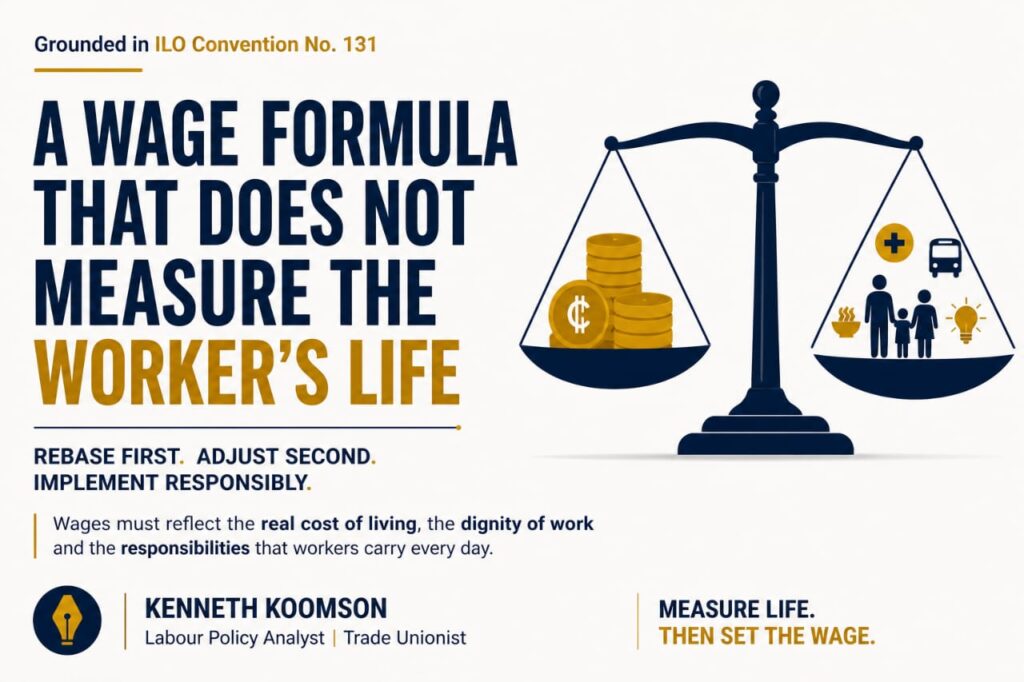
A Wage Formula That Does Not Measure the Worker’s Life Cannot Determine the Worker’s Wage:Why Ghana’s minimum wage framework must move from abstract economic variables to a worker-needs benchmark.

A Wage Formula That Does Not Measure the Worker’s Life Cannot Determine the Worker’s Wage:Why Ghana’s minimum wage framework must move from abstract economic variables to a worker-needs benchmark. Read More »

Share this on Social Media

Ghana has a long history of negotiating the National Minimum Wage through tripartite engagement among Government, Employers and Organised Labour. That history reflects an important national commitment; that wages at the bottom of the labour market should not be left entirely to the forces of bargaining power, employer discretion, or economic desperation. Yet, after decades […]

Share this on Social Media
redundancy flyer

Redundancy Under Section 65 of Act 2003, (Act 651) – The Primacy of Disclosure.

Redundancy Under Section 65 of Act 2003, (Act 651) – The Primacy of Disclosure. Read More »

Share this on Social Media

Abstract Redundancy under Ghana’s Labour Act, 2003 (Act 651) is often approached as a negotiation exercise centred on severance. This article argues that such an approach departs from the structure of Section 65. Properly interpreted, Section 65 establishes a sequenced process in which adequate disclosure of relevant information must precede meaningful consultation. Where disclosure is

Share this on Social Media
independent

A Critical Analysis of Ghana’s Public Sector Pay Reform, Labour Law Interface, and the Question of Negotiation in Transition

A Critical Analysis of Ghana’s Public Sector Pay Reform, Labour Law Interface, and the Question of Negotiation in Transition Read More »

Share this on Social Media

Introduction The governance of public sector compensation is a central pillar of modern statecraft, shaping fiscal sustainability, labour relations, equity, and institutional credibility. In Ghana, efforts to reform public sector pay have historically focused on addressing fragmentation, disparities, and inconsistencies across the public service. The establishment of the Fair Wages and Salaries Commission (FWSC) marked

Share this on Social Media
oil palm

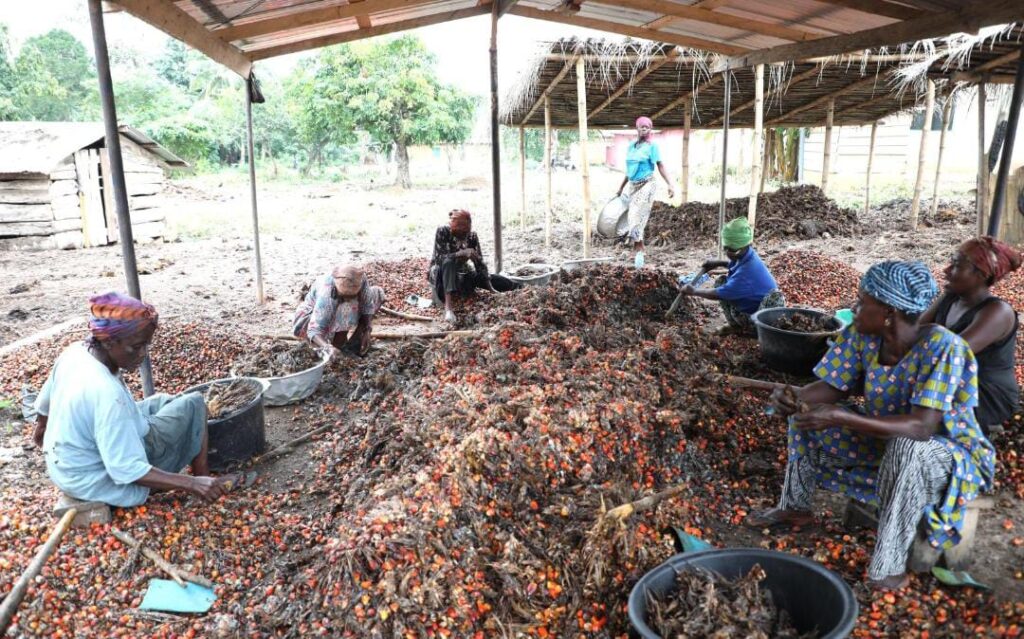
Disciplined Trade, Protected Jobs: Why the Cooking Oil Transit Directive Is a Necessary Intervention

Disciplined Trade, Protected Jobs: Why the Cooking Oil Transit Directive Is a Necessary Intervention Read More »

Share this on Social Media

Disciplined Trade, Protected Jobs: Why the Cooking Oil Transit Directive Is a Necessary Intervention Jobs do not disappear overnight. They erode gradually through shrinking margins, delayed investments, and market distortions that policymakers sometimes overlook. In the oil palm value chain, I have seen this erosion up close. For over sixteen years, I have sat at

Share this on Social Media
just transition

Digital Transition Without Justice Is a Risk Africa Cannot Afford

Digital Transition Without Justice Is a Risk Africa Cannot Afford Read More »

Share this on Social Media

Digital Transition Without Justice Is a Risk Africa Cannot Afford IntroductionIn 2024, I had the privilege of participating in a month-long study conference convened by the International Labour Organization through its ACTRAV programme in Geneva. The discussions centred on green transition, artificial intelligence, digital platforms, and the formalisation of informal economies. Trade union leaders from

Share this on Social Media
fuel

Petroleum Price Floor and the Quiet Erosion of Workers’ Wages in Ghana

Petroleum Price Floor and the Quiet Erosion of Workers’ Wages in Ghana Read More »

Share this on Social Media

Introduction The introduction of a price floor in Ghana’s petroleum sector in 2024 has quietly but decisively undermined the real wages of Ghanaian workers. By preventing fuel prices from falling when market conditions permit, the policy has locked households into higher transport, food, and living costs without any corresponding adjustment in wages. In effect, the

Share this on Social Media
wage power

Constitution Review Commission (CRC) has Opened the Door, Ghana Must Now Reform Wage Governance!

Constitution Review Commission (CRC) has Opened the Door, Ghana Must Now Reform Wage Governance! Read More »

Share this on Social Media

Introduction In Ghana today, compensation of employees accounts for one of the largest components of public expenditure, yet many workers continue to struggle under wages that barely keep pace with the cost of living. The national minimum wage, though reviewed periodically, still falls short of functioning as a genuine social floor, while within the public

Share this on Social Media
partnership

PROMOTING INDUSTRIAL RELATIONS PARTNERSHIP IN GHANA: CONTINUITY AND REFORM FROM ACT 651 TO THE DRAFT LABOUR BILL, 2025

PROMOTING INDUSTRIAL RELATIONS PARTNERSHIP IN GHANA: CONTINUITY AND REFORM FROM ACT 651 TO THE DRAFT LABOUR BILL, 2025 Read More »

Share this on Social Media

1. IntroductionIn labour law and industrial relations, the idea of partnership is sometimes mistaken for harmony or the absence of conflict. In practice, partnership is neither sentimental nor naïve. It is a governance framework through which inherently competing interests, workers, employers, and the State are managed through law, institutions, and structured dialogue.Modern labour relations accept

Share this on Social Media